

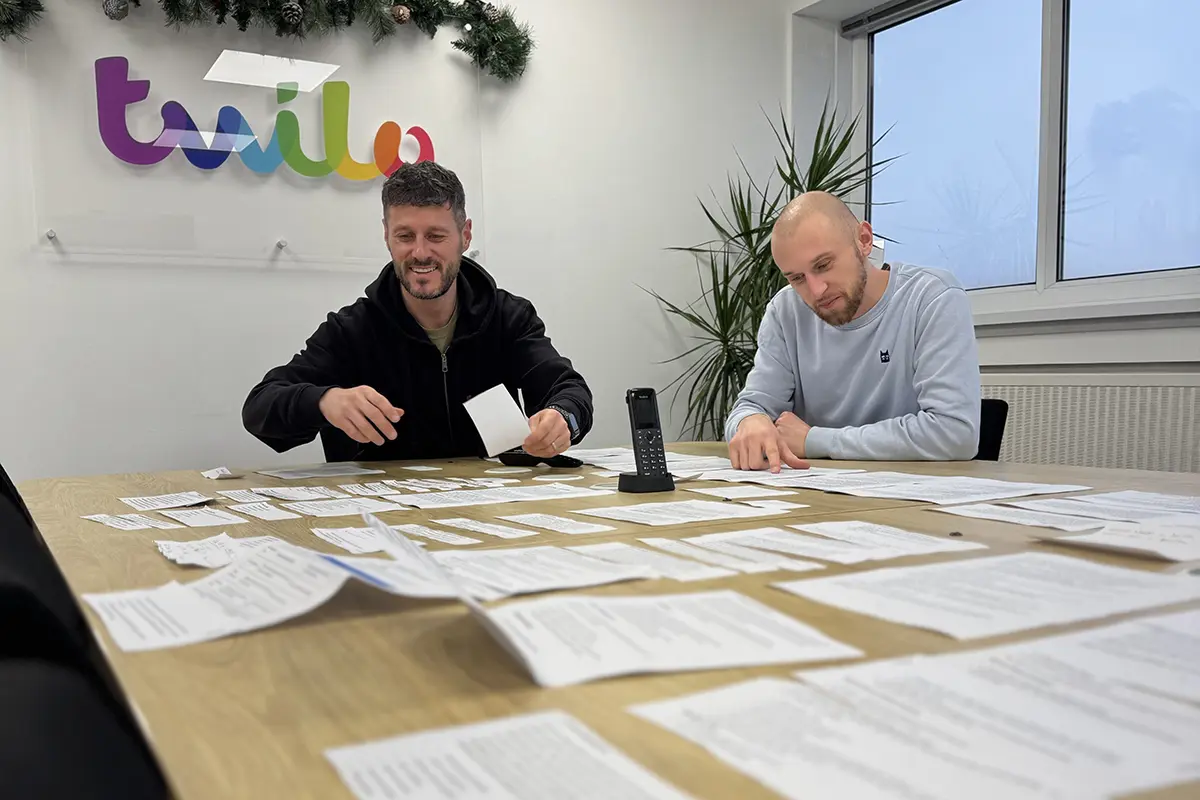
Over the past twelve months, several changes have been made in the business to transition us from being reactive to being proactive. In-fact, we got so far ahead, that Twilo’s 2026 roadmap was signed off and put into a pretty document by the end of October ’25.
The problem with being so far ahead came just a few days before we were due to finish for Christmas, when Tim & I made some considerable changes to the roadmap. Cue lots of thinking and not quite the Christmas break I’d hoped for, but an excitement and an eagerness to get back to work and put our new plans in place.
The great thing about these changes is that we’ve made time to discuss it, allowing us to think from a position of strength. We’ve worked really hard on defining our journey, to the point we could proactively make tweaks to ensure we arrive at our destination in an even stronger position.
This is the benefit of being proactive rather than reactive. So, what steps has Twilo taken to become proactive, rather than reactive?
1. Taking time to think about where your time is spent
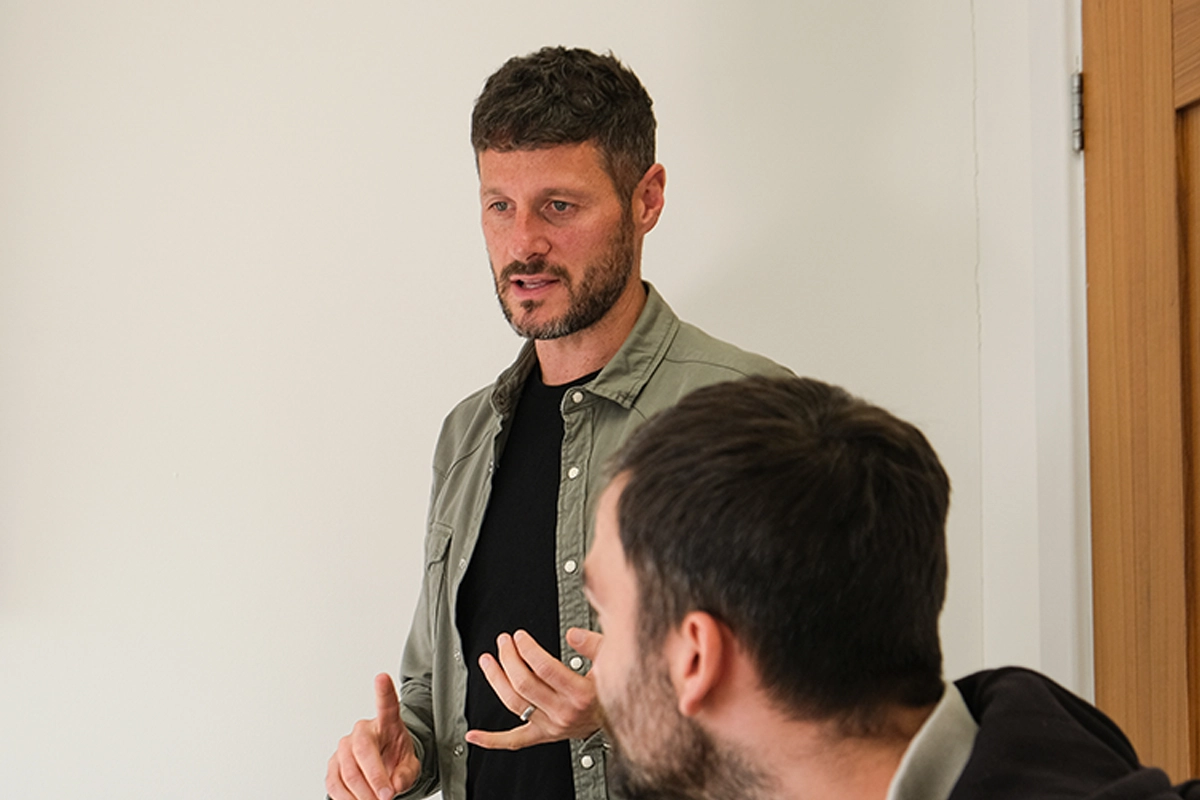
Recording how you spend your time so you have a clear picture of how productive you’re being
It’s very easy to feel busy without actually being productive. Until you record how your time is spent, you’re largely operating on assumptions. By tracking our time honestly we were able to see patterns form. We identified meetings that perhaps only needed one person rather than three, times when we were being hands-on where we should’ve been hands-off, and those days you go home feeling frazzled yet struggling to remember what you actually achieved – we all have them. This exercise helped to bring clarity, quickly highlighting what where time was wasted with a new awareness.
Deciding if this is where your time should be spent, and having the self-awareness to identify if you are wasting time on something
Once you know where your time is being spent it becomes much easier to understand if your time is being used correctly. This requires a level of self-awareness that’s often uncomfortable, but completely necessary. Some tasks feel important simply because we’ve always done them, the old cliché “it’s quicker to do it myself” rings true. Being honest about where time is wasted, or misused, allows you to start reallocating effort towards work that actually moves the business forward.
Deciding if the time you are spending is playing to your strengths or exposing your weaknesses
Not all time spent is equal. Some tasks energise you and produce strong outcomes; others drain you and highlight the areas where you need help. Spending too much time operating in areas that expose weaknesses doesn’t just slow the business down, it limits growth, and can negatively impact others who may be better placed to complete a particular task. Recognising where you add the most value allows you to focus on those areas, while finding better solutions for the rest.
Understanding if the time spent on something is supporting your long-term vision
Short-term urgency can easily overshadow long-term direction. A useful question we now ask regularly is: does this task support where we’re trying to get to, or is it just noise? We believe every task is important, otherwise why are we doing it? If the work you’re doing today doesn’t contribute to your long-term vision, it’s worth questioning why it exists at all. Planning time around long-term goals is what allows you to stay proactive rather than constantly putting out fires.
2. Having the right people in the right positions

Are you the best person to be doing what you’re doing, or do you have better people around you who should be doing it?
As a business owner, it’s tempting to hold onto tasks because you can do them, or because you’ve always done them. But being capable doesn’t mean you’re the right person for the job. Asking this question honestly forces you to look at where your time and energy are best spent. In many cases, stepping back allows others to step up, allowing them to take on that responsibility long-term, and often doing a better job than you can in the limited time you have available.
Can you lend your experience in up-skilling a colleague so they can pick up certain projects and tasks going forward?
Handing over responsibility doesn’t mean walking away. One of the most valuable uses of experience is in helping others grow into roles and responsibilities, and this leans into our day-one goal of creating opportunities for others. Investing time in up-skilling colleagues creates long-term capacity within the business. It also builds confidence and ownership, which is far more powerful than simply delegating tasks and hoping for the best.
Are you surrounded by people who are better than you at certain things, or do you need to look at the job market?
Something I only learned recently – admittedly later than I should have – is that the people Twilo brings into the business should raise our level. That is certainly the case for a business whose primary driver is quality. This approach continually raises the bar and encourages existing members of the team aim higher. Progress comes from being surrounded by people who are better than you in specific areas. If those people aren’t already around you, it may be time to look externally.
3. Ensuring processes are in place and are easy to follow

You can’t step away if you don’t leave clear guidelines to follow
If a business of our size has a single point of failure it puts the future of the company, and people’s jobs, at risk. Clear processes provide consistency, reduce uncertainty, and remove bottlenecks. Without them, stepping away becomes stressful and risky.
Are the processes concise and easy to follow, or are they convoluted and difficult to follow?
In many businesses, including ours, processes can be implemented and then quickly forgotten. This can be down to the person following it, but is often due to the process itself. The goal isn’t to document everything clearly and simply. Logical steps that are easy to understand make it far more likely that processes will be followed consistently. If something needs explaining every time, it probably needs simplifying.
Have you stress-tested your processes and refined them over time to ensure there are no gaps?
No process is perfect from day one. The real test comes when it’s used under pressure. By stress-testing processes and refining them over time, gaps and inefficiencies quickly become obvious. As a business we are process-heavy. Our processes have been refined over a decade to the point where the business operates efficiently, with each member of the team clear on their responsibilities and what to do in certain situations. The ongoing refinement is what turns processes into practical tools that support growth and reduce risk.
Conclusion
None of the above has been a quick fix. It hasn’t been achieved by reading a single book or attending a workshop. It’s taken the best part of twelve months of deliberate effort, honest conversations, and clear thinking to move Twilo from reacting to what’s in front of us, to planning with confidence… and a lot of coffee. This dedication has created space to think, to plan, and crucially to change direction when needed without panic.
Being proactive creates the time, structure, and clarity to adjust course from a position of strength. That’s where Twilo now finds itself, and it’s a far better place to build from.
If like me, you find yourself fighting fires with no time to plan, try these three exercises to transform to a position of strength:
- Record how your time is spent and ask yourself if it’s in the right areas
- Have the right people in the right positions
- Ensure processes are in place and are easy to follow