


If you’re running Facebook or Instagram ads targeting UK audiences, your costs are about to go up. Meta has announced a new 2% “location fee” that will apply to all advertising delivered to users in the United Kingdom. The fee takes effect on 1 July 2026.
It sounds small. But for businesses spending thousands per month on paid social, that 2% adds up quickly, and it changes how you should think about budgets, ROAS targets and campaign planning.
Here’s what’s happening, why it matters, and what you can do about it.
What Is Meta’s Location Fee?
Meta’s location fee is a surcharge added to your advertising invoice when your ads are shown to people in specific countries. For the UK, that fee is 2% of your actual ad spend delivered to UK audiences.
It appears as a separate line item on your billing statement. It’s charged on top of your campaign budget, meaning your total invoice can exceed the budget you’ve set in Ads Manager.
The fee is based entirely on where your ad impressions are served. It doesn’t matter where your business is registered or where your ad account is based. A company in the US running ads that reach UK audiences will pay the 2% fee on those UK impressions.
Meta is also rolling out location fees in five other countries: Austria (5%), Turkey (5%), France (3%), Italy (3%) and Spain (3%). The UK’s 2% rate is the lowest of the group, but given how much UK advertisers spend domestically, the total cost impact could be significant.
If you’re managing paid social campaigns alongside PPC, this change needs factoring into your cross-channel budget planning.
Why Is Meta Doing This?
The fee is Meta’s response to the UK’s Digital Services Tax (DST), a 2% tax on revenues that large digital platforms earn from UK users. The DST has been in place since April 2020, but until now, Meta absorbed the cost itself.
That’s changed. Meta is now passing it directly to advertisers, joining Google and Amazon who have been doing the same for years. Google introduced its 2% UK DST surcharge back in November 2020, and Amazon followed with its own regulatory fees in 2024.
Meta was actually the last major platform to absorb these costs. For nearly six years, running ads on Meta was slightly cheaper than equivalent placements on Google in DST terms.
That pricing advantage is now gone. The practical result: UK businesses advertising on both Google and Meta now face a 2% surcharge on both platforms.
How It Affects Your Budget and KPIs
If your monthly Meta ad spend targeting UK audiences is £10,000, you’ll see an additional £200 on your invoice from July. Over a full year, that’s £2,400 in location fees, and that money doesn’t buy you a single extra impression.
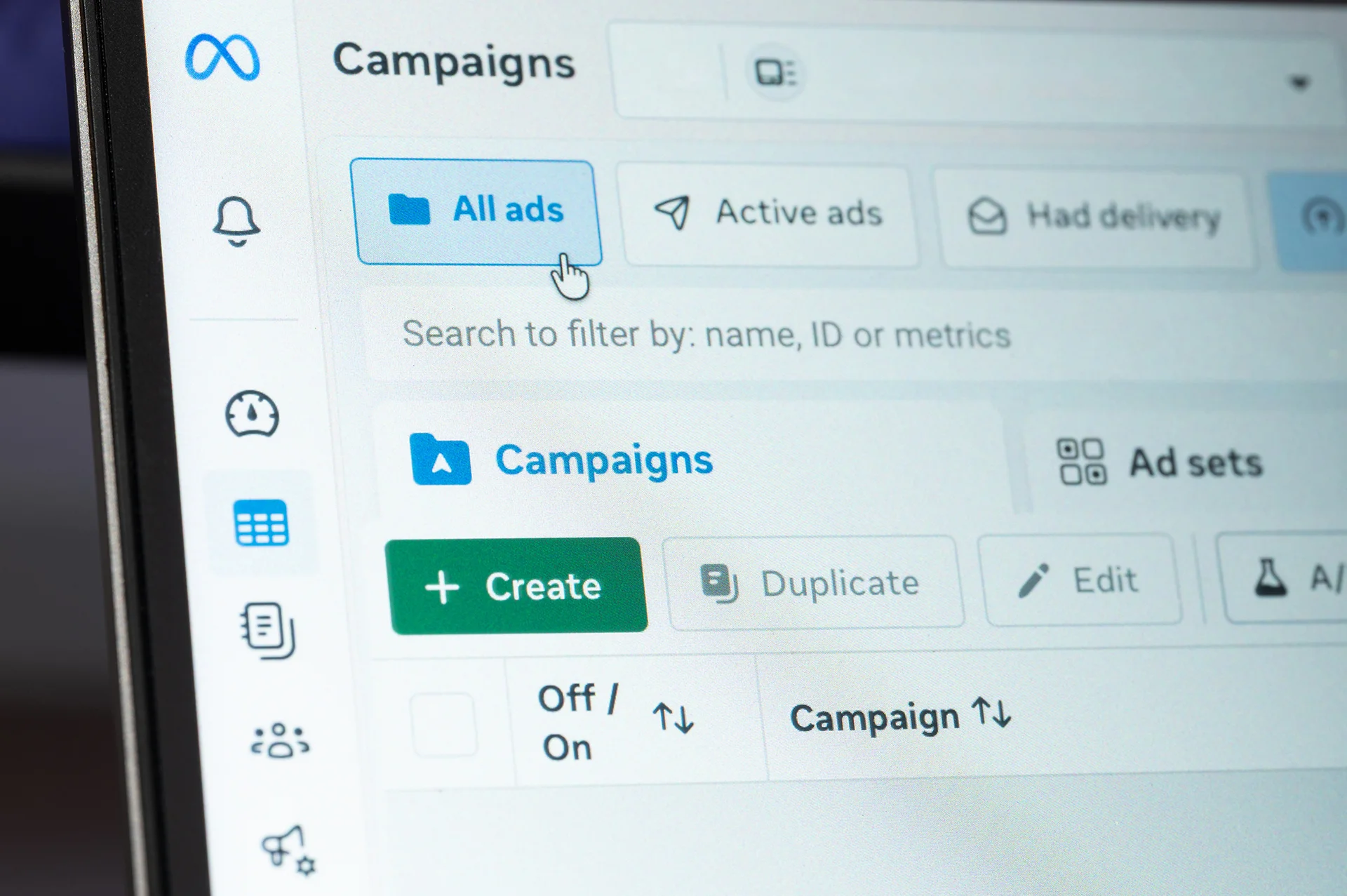
Here’s where it gets important for anyone tracking PPC performance. The fee sits outside your campaign budget. Meta’s budget optimisation system doesn’t account for it. So, if you set a £10,000 monthly budget, Meta will spend £10,000 on ads, then ad £200 on top. Your actual outlay is £10,200.
That has a knock-on effect on your KPIs:
- CPA Increases: If your campaign generates 200 conversions from £10,000 spend, your CPA is £50. Factor in the £200 fee and your true CPA is £51. That’s a 2% increase, which might sound minor until you multiply it across 12 months or scale spend.
- ROAS Drops: If that £10,000 generates £50,000 in revenue, your ROAS looks like 5.0x. But your actual cost was £10,200, so your true ROAS is 4.9x. Again, small in isolation, but it compounds.
- Budget Forecasts Become Inaccurate: If you’ve locked in annual budgets with clients or internally, and you haven’t accounted for the fee, you’ll either overspend your agreed budget or have to reduce actual ad spend to stay within it.
The key takeaway: this fee doesn’t improve your campaign performance. It’s a tax pass-through. Every pound spent on it is a pound that doesn’t work towards conversions.
What About VAT?
This is the part most people miss. VAT is calculated on the combined total of your ad spend plus the location fee.
So on a £10,000 invoice: £10,000 ad spend + £200 location fee = £10,200. Then 20% VAT is applied to the £10,200, giving you £2,040 in VAT rather than £2,000. The difference is small per month but adds up over a year.
If you’re VAT-registered and reclaiming VAT on advertising costs, check with your accountant that the location fee is being treated correctly. The reclaimable amount will be slightly higher because the tax base now includes the fee.
This is worth flagging internally, especially if you’re managing reporting and budgets across multiple digital marketing channels.
What You Should Do Before July 2026
There are some straightforward steps you can take now to prepare. None of them are complicated, but they all need doing before 1 July.
Review Your Budget Forecasts
If you’ve set annual or quarterly budgets for Meta campaigns, add 2% to the UK portion. If 100% of your spend targets the UK (which it will for most domestic businesses), that’s a flat 2% increase on your total Meta budget.
For a business spending £120,000 per year on Meta, that’s an extra £2,400. For £500,000 annual spend, it’s £10,000.
Update Your Reporting
Make sure your monthly reports distinguish between ad spend and total invoiced cost. If you’re reporting ROAS or CPA to clients or stakeholders, they need to know whether those numbers include or exclude the location fee.
This is especially important for agencies. If a client sees a £10,200 invoice but your report says you spent £10,000, that gap needs explaining before it becomes a trust issue.
Check Your Targeting Settings
The fee applies based on where impressions are delivered. If you’re running campaigns that include UK audiences alongside international ones, only the UK portion gets the 2% charge. Review your geographic targeting to make sure you’re not inadvertently serving to the UK when you don’t intend to.
This is the same principle that applies in Google Ads. If your campaign uses broad location targeting (like “people interested in” rather than “people located in”), you could end up paying DST surcharges on impressions you didn’t expect. Make sure your PPC campaigns are set up with the right location targeting to avoid wasted spend on both platforms.
Reassess Your Cross-Platform Strategy
With both Google and Meta now charging a 2% surcharge on UK ads, the cost comparison between the two platforms hasn’t changed in relative terms. But it’s worth reviewing whether your budget split across channels still makes sense.
If you’re spending heavily on Meta for awareness but your conversion data shows Google delivers a lower CPA, the additional 2% fee on both platforms might tip the balance towards reallocating budget to whichever channel is performing better.
The question isn’t “how do I avoid the fee?” (you can’t). It’s “how do I make sure every pound of ad spend, including the fee, is working as hard as possible?”
How Does This Compare to Google’s DST Fee?
Google has been charging a 2% UK DST fee since November 2020. The mechanics are similar: the surcharge appears as a separate line item on your invoice, it’s based on where ads are served, and it sits outside your campaign budget.
The main differences:
Google charges based on clicks, while Meta charges based on impressions (delivery). The practical impact is similar, but the calculation method differs slightly.
Google also charges higher rates in other countries. Turkey is 7% on Google compared to 5% on Meta. Spain is 3% on both. Austria is 5% on both.
If you’re running campaigns across both platforms (which most UK advertisers are), the combined DST cost is now 2% on Google and 2% on Meta. For a business spending £10,000 per month on each, that’s £400 per month in fees, or £4,800 per year, that doesn’t generate a single click or conversion.
For businesses managing both search and social campaigns, having an experienced team handling PPC advertising and social media marketing ensures these costs are accounted for and campaign performance is optimised around them.
The Bigger Picture
Meta’s move signals something broader. Regulatory costs in digital advertising are becoming a standard line item, not an exception. As more countries introduce or increase their digital services taxes, these fees are likely to expand.
Meta has already stated that the list of affected countries and the fee rates may change over time. If the UK increases its DST rate (currently under review as part of broader international tax negotiations), the location fee will follow.
For advertisers, the message is clear: build regulatory costs into your planning, not as an afterthought but as a fixed operating cost. The businesses that adapt their forecasting and reporting now will handle future changes smoothly. Those that don’t will keep getting caught off guard.
Need Help Managing Your Ad Budget?
If you’re not sure how this affects your current campaigns, or you want to make sure your Meta and Google budgets are set up to absorb the fee without hurting performance, get in touch with our team. We manage paid media campaigns across Google, Meta and other platforms, and we’ll make sure your reporting accounts for every cost, not just the ones that show up inside Ads Manager.